WHY USE MUSCLE SCRAPING
Ever wonder what the benefits are of muscle scraping? We’ll answer this question below. With so many recovery modalities out there, it’s natural to feel skeptical about muscle scraping.
Scraping therapy stimulates multiple mechanisms to decrease pain and promote recovery. Based on scientific research and clinical studies, this page will explain why you should be using muscle scraping as part of your recovery plan.
2,000 Years Of History, Backed By Modern Science
Scraping therapy is based off Gua Sha, a treatment that has been used for centuries in Traditional East Asian Medicine to treat both acute and chronic muscular pain. The physiological mechanisms have since been analyzed and proven effective [1] through comprehensive research around the world. This technique uses scraping of the skin to induce petechiae, bright red spots on the skin, which have been shown to have therapeutic effects on muscle pain and recovery.
Helps Restore Proper Muscle Function
Prevents And Heals Chronic Injuries
Prevents And Heals Chronic Injuries
Promotes Pain Suppression
In a clinical trial [3], patients with chronic neck pain received gua sha treatment to their entire neck and upper back. Results 7 days after treatment showed a 26% overall decrease in pain and a 51% decrease in pain related to movement
Promotes Recovery By Increasing Blood Flow
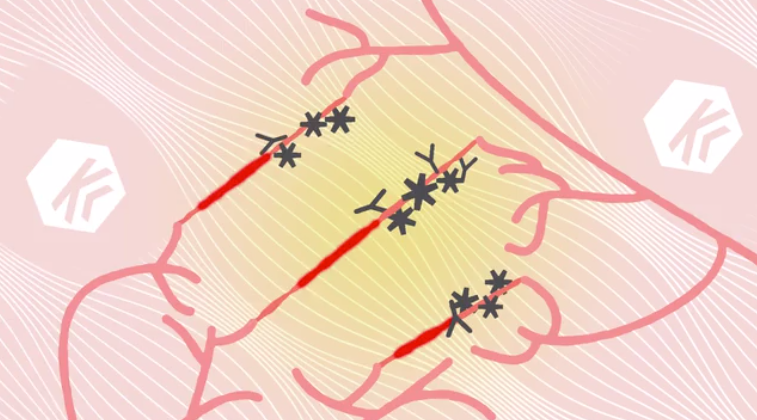
When you are exercising, your muscles consume energy but leave behind toxic debris that can clog the blood vessels within your muscles. The body depends on blood flow to supply nutrients and remove toxic waste during recovery, which will be prevented if vasculature is clogged. Scraping breaks up these blocked vessels and signals the body to reconstruct new, more efficient ones. The breaking of these old blood vessels is what causes petechiae, and is proven to increase blood flow [4], allowing the recovery process to resume. Learn more about this process here.
Promotes Anti-Inflammatory Effects
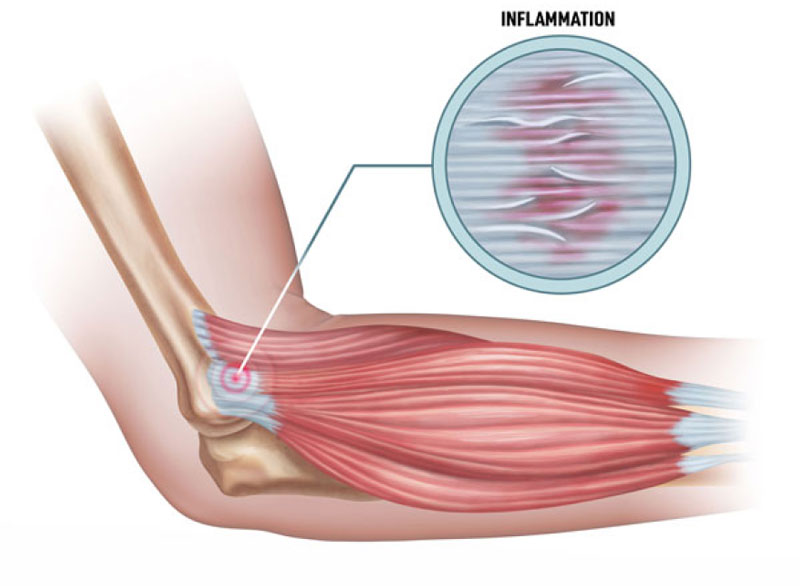
Inflammation can cause fatigue, discomfort, and overall impairment to the function of your muscles. One study [5] performed on labratory mice showed that the release of a chemical in the body, called heme oxygenase-1 (HO-1) [5], (known to prevent processes that lead to inflammation) increases significantly after scraping. Levels of the enzyme were measured before and after the mice received gua sha using an imaging procedure and the overall result was a deep, systemic anti-inflammatory effect.
Inflammatory vs Anti-Inflammatory
Is muscle scraping inflammatory or anti-inflammatory? The answer is: both! Scraping often produces redness and swelling on the surface due to the small blood vessels dilating to allow increased blood flow to the area. This inflammation causes the upregulation of HO-1 [5].
Therefore, the inflammatory response to scraping is localized, surface-level, and short-term. The anti-inflammatory effects occur within the organ systems throughout the body and last for several days thereafter.
Increases Range Of Motion
After injury or stress to a muscle, it is common to have a build up of unneeded cells and scar tissue. This creates stiffness in the muscle which impairs function and mobility, decreasing the ability to move through a full range of motion. The increase in blood flow, which is promoted by scraping, speeds up the removal of this scar tissue and debris, thus restoring function and range of motion.
Conclusion: Everyone Can Benefit From Muscle Scraping
While the technique of muscle scraping is largely unknown to the general population, Chinese ancestors have been using it for over 2,000 years, while Chiropractic and Physical Therapy practitioners have been applying it to patients for at least the last 3 decades.
Whether you’ve suffered from a minor accident, or have chronic muscle soreness from an active lifestyle, muscle scraping can help you. Read more to see what others have had to say about it.
If you’re ready to get started, visit this page to find the right tool for you.